Japandi Style: Where Minimalism Meets Warmth
Everything you need to know about japandi interior design. The trending style that blends Japanese simplicity with Scandinavian warmth for calm, beautiful spaces.
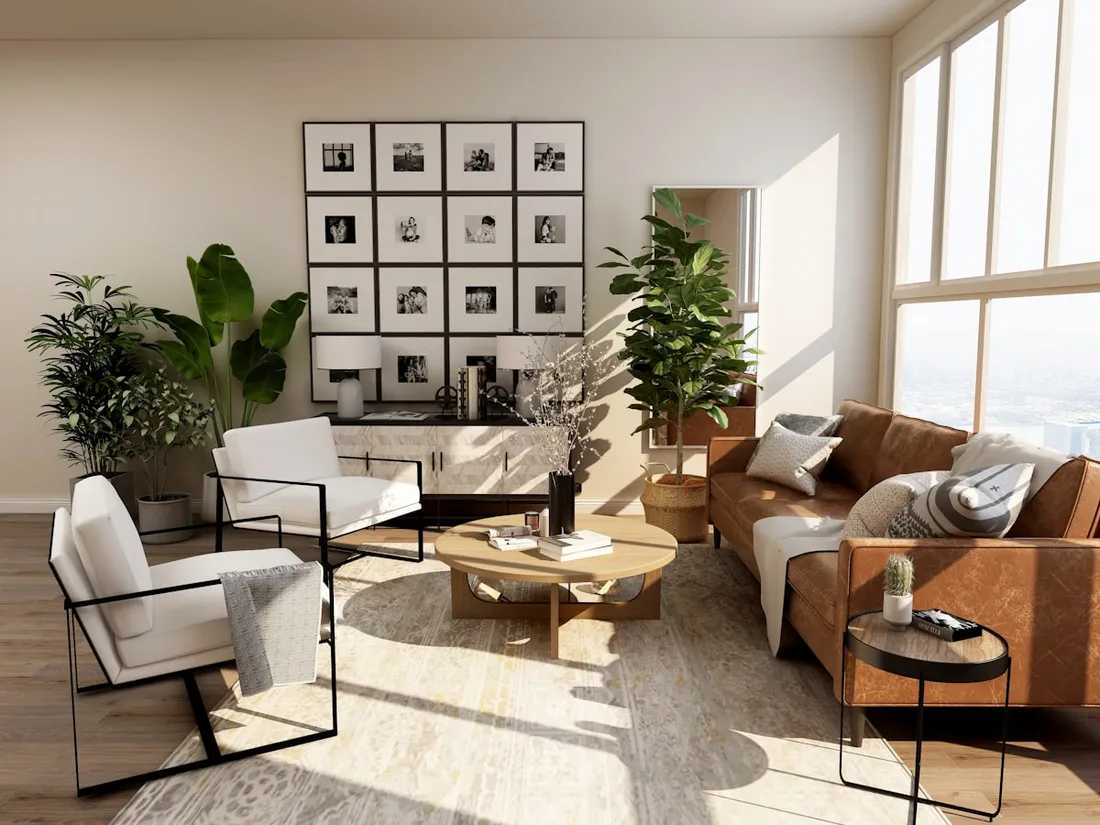
Japandi is what happens when Japanese minimalism and Scandinavian hygge have a conversation. Both traditions value simplicity, natural materials, and intentional living. The difference is that Japanese design leans into wabi-sabi — the beauty of imperfection — while Scandinavian design focuses on function and coziness. Together they create rooms that feel calm without feeling cold.
The Core Principles
Fewer things, better things. This is not about empty rooms. It is about every object earning its place. A single beautiful ceramic vase does more than twelve decorative objects fighting for attention.
Natural materials dominate. Wood is the foundation — light oak, walnut, and ash. Pair it with linen, wool, ceramic, and stone. If it comes from nature, it belongs. If it comes from a factory, think twice.
Neutral does not mean boring. The japandi palette is warm neutrals — cream, beige, soft grey, charcoal — with moments of deep color. A single terracotta pot or a navy cushion can be the accent that makes the whole room come alive.
How to Get the Look
Furniture with clean lines and visible wood grain. Think low-profile sofas, simple dining tables, and beds without headboards or with minimal slatted ones. Avoid ornate detailing or heavy upholstery.
Handmade over mass-produced. A hand-thrown ceramic bowl, a woven basket, a linen throw with visible texture. These imperfect touches are what separate japandi from sterile minimalism. They give the space soul.
Open space is a feature, not a problem. Resist the urge to fill every corner. Empty space around objects lets them breathe and makes the room feel larger and more peaceful.
Room by Room
Living room: A low sofa in a warm neutral, a simple wood coffee table, one or two floor cushions, and a single piece of art. A floor lamp with a paper shade adds warmth.
Bedroom: Platform bed with linen bedding in soft white or light grey. Nightstands in natural wood. No clutter on surfaces. Maybe a single branch in a ceramic vase.
Kitchen: Open shelving with curated dishware. Wood cutting boards displayed vertically. Simple pendant lights. Hide everything else behind clean cabinet fronts.
The Budget Approach
Japandi is actually one of the most budget-friendly styles because it relies on fewer pieces. IKEA’s STOCKHOLM, NAMMARO, and SINNERLIG lines hit the aesthetic almost perfectly. Muji is another goldmine. And since the style values imperfection, that slightly worn vintage side table from the flea market is not a compromise — it is a feature.